Local insulation contractor · Attic · Walls · Spray Foam
Insulation in Buffalo, NY
Insulation for Buffalo homes, installed by a local contractor: attic and blown-in insulation, dense-pack wall insulation for older homes, open and closed cell spray foam, basements, rim joists and garages across Buffalo and Western New York. Warmer rooms, lower heating bills and fewer ice dams this winter.
- Free on-site estimates
- Older homes & doubles
- Help checking NY programs
Lower heating bills
Air sealing and a full attic stop the heat loss that makes Buffalo gas bills climb every January.
Learn more →Fewer ice dams
Most ice dams start with warm air leaking into the attic. Sealing and insulating the attic is the long-term fix.
Learn more →Warm up drafty old houses
Many Buffalo homes were built before wall insulation was common. We fill empty walls without tearing them open.
Learn more →Local to Western New York
Buffalo insulation built for lake-effect winters
Buffalo winters are long, windy and snowy, and lake-effect storms can bury the Southtowns in a single day. A house that leaks air pays for it every month from November to April, and the warm air escaping into the attic is what builds ice dams along the eaves.
A lot of the housing here is old. Across the Elmwood Village, North Buffalo, South Buffalo, Kenmore and the first-ring suburbs you'll find early 1900s homes, Buffalo doubles and post-war capes with little or nothing in the walls and only a few inches in the attic.
We insulate homes, two-family flats, garages, additions and commercial buildings throughout Buffalo, Amherst, Cheektowaga, Tonawanda, West Seneca, Orchard Park, Hamburg, Lancaster, Niagara Falls and Lockport. Every job starts with a free on-site estimate and a straight answer about what will actually help.
Why people call us
- Cold rooms and drafty floors
- High gas and electric bills all winter
- Ice dams and icicles on the eaves
- Old homes with empty walls
- Old, dirty or mouse-damaged attic insulation
- Cold rooms over garages and porches
Talk to a local insulation contractor today
Call (716) 625-3353The problem
Most heat loss isn't through the insulation. It's around it.
Older Buffalo homes leak air at the attic floor, top plates, chimney chases, rim joists and knee walls. Warm air rises out of the house all winter and cold air gets pulled in at the bottom to replace it.
That's why we air-seal before we insulate. Then we add the right material for each spot: blown-in in the attic, dense-pack in closed walls, and spray foam where air and moisture both need to stop, like rim joists and basement walls.
R-value per inch, compared
Typical published values. Actual R-value depends on product and installed thickness.
Open cell vs. closed cell spray foam
| Open cell | Closed cell | |
|---|---|---|
| R-value per inch | About R-3.5 to R-3.8 | About R-6 to R-7 |
| Air seal | Yes | Yes |
| Moisture / vapor barrier | No (vapor open) | Yes, at about 2 inches |
| Adds strength | No | Yes, stiffens walls and roof panels |
| Best for | Attic rooflines, interior walls, sound control | Rim joists, basements, crawl spaces, pole barns |
| Cost | Lower per inch | Higher per inch |
Is insulation worth it in Buffalo?
In a heating climate like Buffalo's, air sealing and attic insulation are usually among the best-returning upgrades you can make to a house. They cut heating bills every winter and make the whole house more comfortable.
Income-eligible households may also qualify for New York programs that cover some or all of the cost. We'll help you check before you decide.
Insulation, done right
Old houses need care. Knob-and-tube wiring, bath fans venting into the attic and blocked soffit vents all have to be handled before new insulation goes in.
We check for those problems at the estimate, air-seal first, keep soffit vents open with baffles, and measure depth as we go. If a product isn't right for a space, we'll tell you and quote something that is.
A homeowner's guide to insulation in Buffalo
How Western New York winters test a house
Buffalo winters are long, cloudy and cold, with lake-effect snow that can bury the Southtowns in a single storm and wind off Lake Erie that finds every gap in a house. Heating season often runs from October into May, which means a poorly insulated home pays for its leaks for more than half the year.
Insulation slows heat moving out of the house, but it only performs when the air leaks around it are sealed. In Buffalo, the biggest leaks are almost always at the top of the house, through the attic floor, and at the bottom, through the rim joists and basement. Seal and insulate those two areas and most homes feel noticeably warmer and less drafty.
The U.S. Department of Energy currently recommends about R-60 for an uninsulated attic in our climate zone, or adding about R-49 when there are already a few inches. Many older Buffalo homes have far less than that, and some have none in the walls at all.
Why older Buffalo homes lose so much heat
Much of Buffalo's housing was built in the late 1800s and early 1900s: Victorians and Queen Annes on the West Side and in Allentown, two-family doubles across North Buffalo, Riverside and South Buffalo, and bungalows and Colonials in Kenmore, Cheektowaga and Lackawanna. Many were built before insulation was standard.
A lot of these homes use balloon framing, where wall cavities run uninterrupted from the basement to the attic. Warm air rises through those open cavities and escapes into the attic, pulling cold air in at the bottom. Sealing the tops and bottoms of those wall cavities is one of the most effective, and most overlooked, fixes in an older Buffalo home.
Half-story attics with knee walls, common in capes and bungalows, are another trouble spot. The small attic spaces behind the knee walls are often uninsulated or poorly sealed, which is why upstairs bedrooms in these homes are freezing in January and stuffy in July.
Ice dams and what really causes them
Ice dams are one of the most common reasons Buffalo homeowners call about insulation. When heat leaks into the attic, it warms the roof deck and melts the snow on top. The water runs down to the cold eaves, refreezes and builds a ridge of ice. Water then backs up behind the ice and can leak under shingles into ceilings and walls.
Heat cables and roof raking treat the symptom. The lasting fix is keeping the roof deck cold by sealing air leaks into the attic, adding insulation to the recommended depth, and making sure soffit and ridge vents can move air. Bath fans and kitchen vents that dump warm, moist air into the attic should be routed outside.
Basements, rim joists and cold floors
Most Buffalo homes sit over full basements. The rim joist, the wood band that rests on top of the foundation wall, is often bare or stuffed with a loose fiberglass batt. Cold air leaks in there, which is why first-floor rooms near outside walls feel cold and why pipes along exterior walls sometimes freeze.
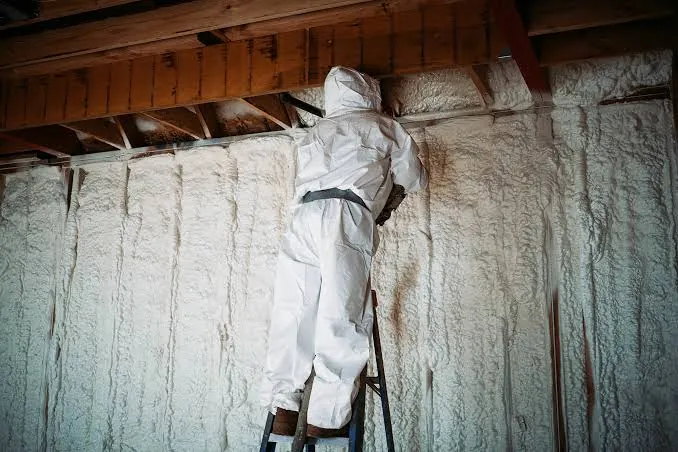
Closed cell spray foam on the rim joists seals and insulates that band in one step and blocks moisture. If you use your basement as living space, insulating the foundation walls adds comfort and helps control dampness. Many homeowners pair rim joist foam with an attic air-seal for a project that tackles both ends of the house.
Choosing the right insulation for each space
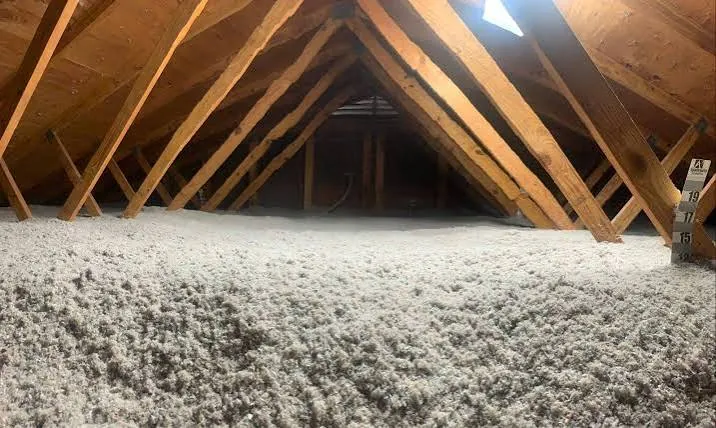
On an open attic floor, blown-in cellulose or fiberglass installed after air sealing is usually the best value. In empty walls, dense-pack cellulose or injection foam can be installed through small holes without removing plaster or siding. Closed cell spray foam is best at rim joists, basement walls, and metal garages and pole barns. Open cell foam is often used on rooflines and in additions.
Most good projects mix materials, putting the more expensive foam only where it pays off and using blown-in insulation where it gives the most R-value for the money.
What a good insulation project looks like
A good project starts with someone actually going into the attic and the basement. They should measure existing insulation, look for air leaks, check for moisture, old knob-and-tube wiring and vermiculite, ask what bothers you about the house, and explain what they recommend and why.
The quote should be in writing and broken down by area, with materials, R-values or thicknesses, air sealing and any removal spelled out. On install day, the crew should protect your home, air-seal before insulating, keep soffit vents open with baffles, and clean up. Ask for before-and-after photos of the attic and basement, since you won't see those areas often.
Incentives and timing
Programs change, so check before you sign. NYSERDA's EmPower+ program helps income-eligible New York households with energy upgrades such as insulation and air sealing, and utilities sometimes offer rebates. The federal 25C tax credit for insulation ended for work placed in service after December 31, 2025. See our rebates page for more.
Fall is the busiest time for insulation in Western New York, so scheduling earlier helps. Attic and basement work can be done in winter too, and fixing the leaks before the next big storm is never a bad idea. Requesting an estimate is free.
What we install
Insulation Services
Attic Insulation
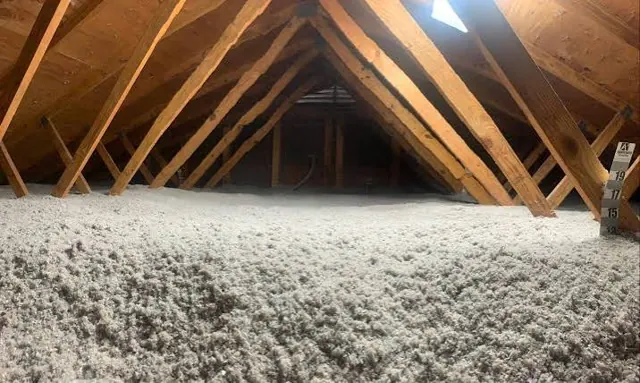
Air-seal and top up thin attics, or spray foam the roofline.
Get a quote →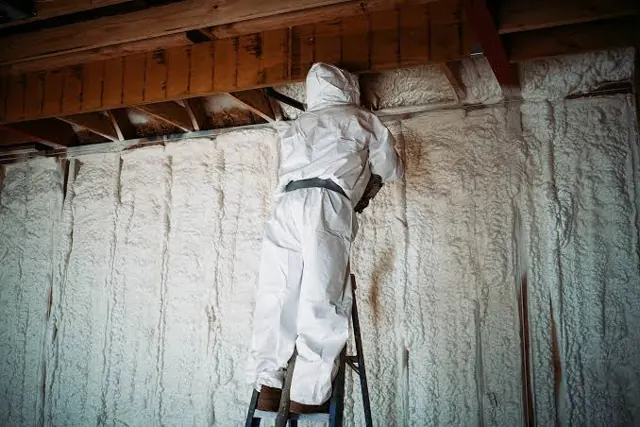
Spray Foam Insulation
Open and closed cell foam for rim joists, basements, rooflines and additions.
Get a quote →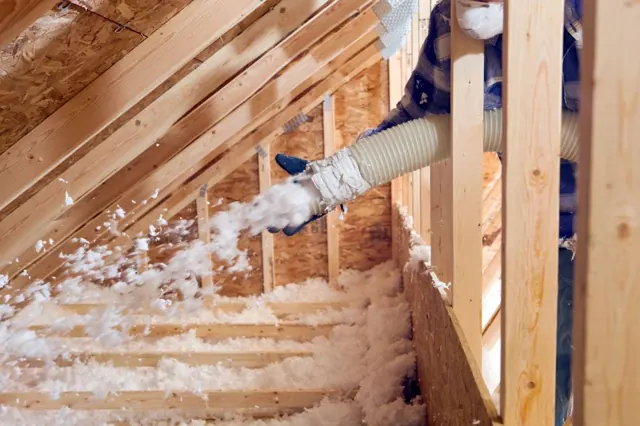
Blown-In Insulation
Fast, affordable loose-fill insulation for attics.
Get a quote →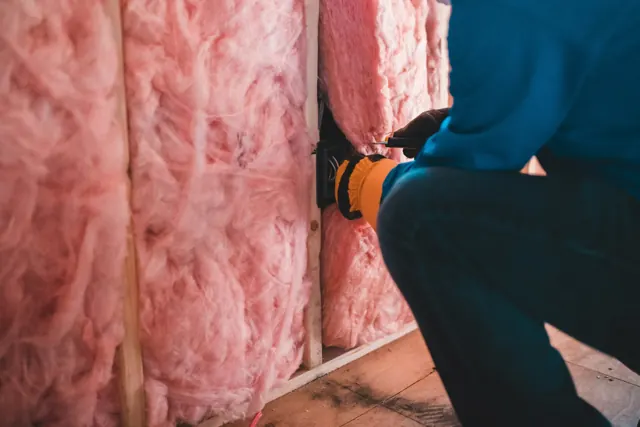
Wall Insulation
Dense-pack insulation for empty walls, without tearing them open.
Get a quote →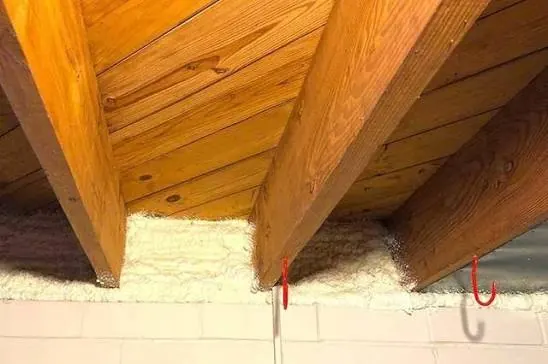
Basement & Rim Joist Insulation
Seal cold floors, drafty basements and rim joists with closed cell foam.
Get a quote →Insulation Removal
Remove old, wet or mouse-damaged insulation, then re-insulate.
Get a quote →Garage & Pole Barn Insulation
Insulate garages, rooms over garages, pole barns and metal shops.
Get a quote →How it works
- Free estimateWe look at the attic, walls and basement, and talk through what you want to fix.
- Clear quoteYou get a written quote by area and type of insulation, with no surprises.
- Clean installWe protect floors and furniture, air-seal, then insulate to the depth we promised.
- WalkthroughWe clean up, show you photos of the work, and make sure you're happy before we leave.
Frequently Asked Questions
What insulation do you install in Buffalo?
Attic air sealing and blown-in insulation, dense-pack wall insulation for older homes, open and closed cell spray foam, basement and rim joist insulation, garage and pole barn insulation, and old insulation removal. We recommend what fits the space and the budget.
How much does insulation cost in Buffalo?
A typical attic air-seal and top-up often lands in the low thousands, and wall insulation depends on the size of the house. See our insulation cost page for ranges, then get an exact quote at a free estimate.
Are there rebates or programs for insulation in New York?
Income-eligible households may qualify for NYSERDA's EmPower+ program, which can cover insulation and air sealing. Other programs change over time. See our rebates page and ask us at your estimate.
Can you insulate an old house with plaster walls?
Yes. We dense-pack walls through small holes and patch them afterward. We'll check for knob-and-tube wiring first, because live knob-and-tube shouldn't be buried in insulation.
Will better insulation help with ice dams?
Yes. Most ice dams come from warm air leaking into the attic. Air sealing and a full layer of attic insulation is the best long-term fix.
How long does installation take?
Most attics and rim joist jobs take a day or less. Whole-house wall insulation usually takes one to three days.
From the blog
Insulation tips for Buffalo homes
November 16, 2026How Much Attic Insulation Do You Need in Buffalo?
How much attic insulation a Buffalo home needs, what R-49 to R-60 looks like in inches, and how to check your attic yourself.
Read more →November 12, 2026Why Buffalo Homes Get Ice Dams, and How to Stop Them
Why ice dams form on Buffalo homes, why roof rakes and heat cables only treat the symptom, and how attic air sealing and insulation fix the cause.
Read more →November 9, 2026How to Insulate an Old Buffalo House Without Tearing Out the Walls
How older Buffalo homes, including doubles and balloon-framed houses, get wall and attic insulation without removing plaster.
Read more →Serving Buffalo and Western New York
Buffalo insulation for the city, the Northtowns, the Southtowns and Niagara County: