November 5, 2026 · Buffalo Insulation
Spray Foam vs. Fiberglass: Which Is Right for Your Home?
Both work. The right choice depends on where it's going and what problem you're trying to fix.
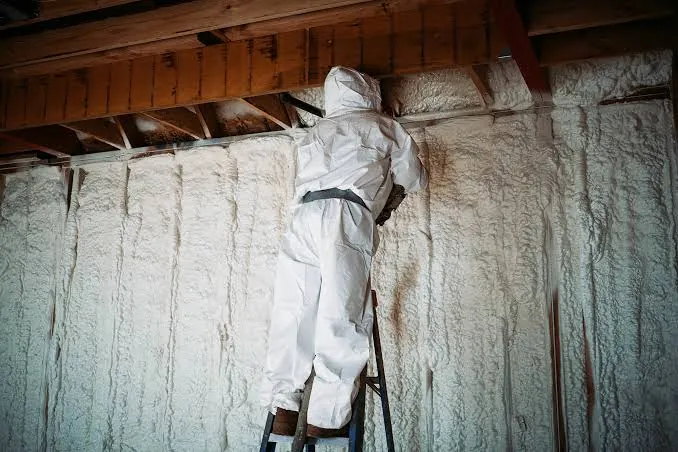
R-value and air sealing
Closed cell foam is about R-6 to R-7 per inch and seals air; fiberglass is about R-3 to R-3.5 per inch and doesn't stop air on its own.
Where each fits
Foam shines at rim joists, basement walls and rooflines. Blown-in fiberglass or cellulose is usually the best value on an open attic floor, after air sealing.
Moisture and durability
Closed cell spray foam resists water and blocks vapor, so it holds up well on rim joists and basement walls. Fiberglass batts in damp basements can hold moisture and sag. Open cell foam lets vapor through and belongs in drier locations.
Cost per R-value
Fiberglass and cellulose are much cheaper per unit of R-value. Spray foam costs more but also air-seals, which fiberglass does not. On an open attic floor, air sealing plus blown-in insulation usually wins on cost. At rim joists and in tight spaces, foam usually wins on performance.
What about cellulose?
Cellulose is made mostly from recycled paper. Blown into attics, it forms a dense layer that slows air movement better than loose fiberglass, and dense-packed into walls it's one of the best ways to insulate an older home without opening the plaster.
A mixed approach
Most Buffalo homes do best with a mix: closed cell foam at the rim joists, air sealing plus blown-in insulation on the attic floor, and dense-pack cellulose in empty walls. That puts the expensive material only where it does the most good.
Questions to ask an installer
Which material do you recommend for each part of my house, and why? What R-value will I end up with? Will you air-seal before installing fiberglass or cellulose? How will thickness or depth be confirmed? A good installer will explain the trade-offs rather than pushing one product everywhere.
Bottom line
Neither material is always better. Start with the problem you want to solve, such as ice dams, cold floors or cold walls, and choose the material that fits that space. A good estimate will explain where foam is worth the extra cost and where blown-in or dense-pack gives better value.
Getting a recommendation
A free on-site estimate is the easiest way to see which materials fit each part of your home and what each option would cost.
Get a free estimate
Call (716) 625-3353 or send the form and we'll come take a look, anywhere in Buffalo and Western New York.